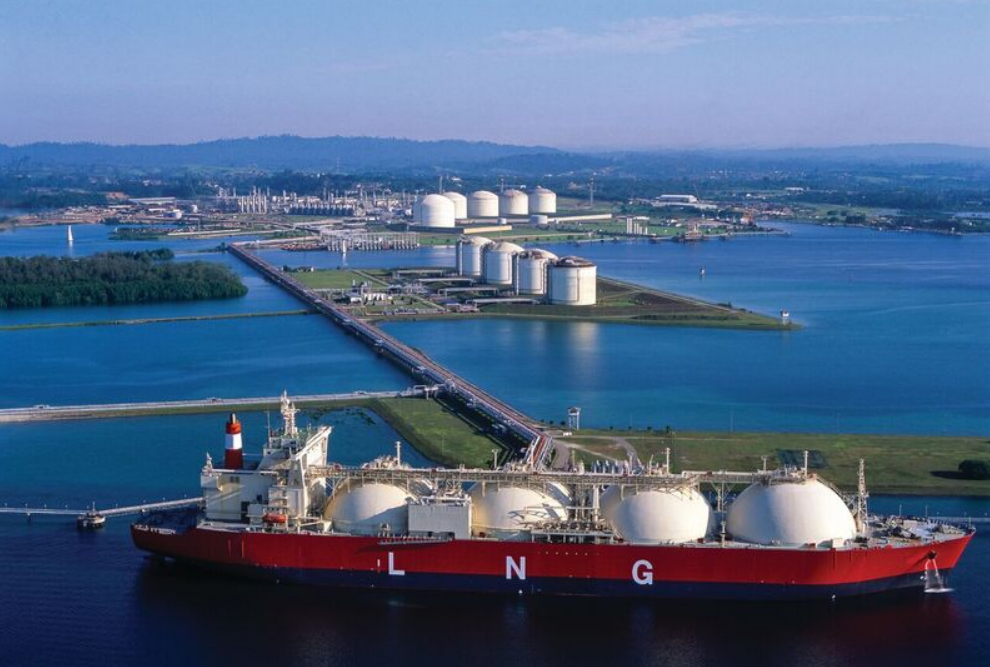
“The Rise and Fall of LNG in the Oil and Gas Industry and Its Impact on Energy Security”
Jun 06, 2024

Similar Article
From Tragedy to Reform: The Impact of Deepwater Horizon on HSE
The importance of Health, Safety, and Environment (HSE) in the oil and gas industry cannot be overstated, as it plays a critical role in ensuring the safety of workers, the integrity of operations, and the protection of the environment. The tragic Deepwater Horizon disaster of 2010 starkly underscores the dire consequences of neglecting HSE protocols. This catastrophic event, which resulted in the loss of 11 lives and the largest marine oil spill in history, serves as a grim reminder of the inherent risks in oil and gas operations. The explosion on the Deepwater Horizon rig highlighted several key failings, including insufficient risk management, inadequate safety measures, and a lack of proper emergency response protocols. These oversights not only led to significant human and environmental losses but also inflicted severe financial and reputational damage on the companies involved. In the aftermath of the disaster, there has been a renewed emphasis on HSE standards across the industry. Companies have been compelled to adopt more rigorous safety protocols, invest in advanced technology for monitoring and prevention, and foster a culture of safety and environmental stewardship. Effective HSE practices involve comprehensive risk assessments, regular safety drills, continuous training for employees, and stringent adherence to regulatory standards. Moreover, the integration of cutting-edge technology, such as real-time monitoring systems and automated shut-off mechanisms, has become essential in mitigating risks. The lessons learned from Deepwater Horizon have driven home the need for a proactive approach to HSE, emphasizing the importance of preventive measures over reactive responses. Ensuring the health and safety of workers, protecting the environment from the potentially devastating impacts of oil spills and other accidents, and maintaining operational integrity are now seen as fundamental to the success and sustainability of oil and gas operations. In conclusion, the Deepwater Horizon incident serves as a pivotal case study in the critical importance of robust HSE practices in the oil and gas industry, illustrating that prioritizing safety and environmental protection is not only a moral and legal obligation but also a business imperative.
Reaching for the Earth's Heart: The Kola Project
For centuries, humanity has looked outward to the stars, the moon and the planets. Yet there is a profound mystery that lies much closer, beneath our very feet: the Earth core. The kola borehole, or known as the Kola Project, represents one of humanity’s boldest attempts to reach the depths of our planet, uncovering secrets hidden beneath the surface.The Kola Project began in 1970 as part of the Soviet Union’s ambitious scientific endeavors. Situated on the remote Kola Peninsula in northern Russia, the project aimed to drill as deep as possible into the earth crust. The ultimate goal was to explore the composition of the earth's interior, understand its physical and chemical properties, and perhaps uncover its formation billions of years ago. Over two decades, the kola borehole reached an unprecedented depth of 12,226 meters (about 40,230 feet) in 1989, making it the deepest artificial point on earth. This incredible feat surpassed previous drilling records and remains unchallenged to this day. Despite the immense depth, the borehole only penetrated unchallenged to this day. Despite the immense depth, the borehole only penetrated about a third of the Earth’s crust, highlighting the vast scale of our planet layers. Drilling to such extraordinary depths posed numerous technical and scientific challenges. Temperatures exceeded 180°C (356°F), far higher than anticipated, making equipment prone to failure. The immense pressure of the drilling process. Despite these obstacles, the kola project provided invaluable insights into the earth’s geology. Among the project’s most significant findings were the unexpected presence of water at extreme depths and the discovery of microscopic fossils in ancient rock formations. These fossils, found more than 6 kilometers below the surface, suggested that life might have existed in environments previously considered inhospitable. Additionally, researchers gathered critical dara on seismic activity, the composition of the earth’s crust and thermal gradients. As technology advances, exploring Earth’s depths remains a compelling dream. Future drilling and robotic technologies could unlock further insights into Earth's history, tectonics, and vital resources. The Kola Project demonstrates that exploration extends to the unseen depths of our planet, reaffirming humanity's drive to uncover its mysteries
MedcoEnergi Cuts 43,000 Tons of Carbon Emissions to Support Indonesia’s Energy Transition
Surabaya, SPE ITS SC – PT MedcoEnergi Internasional Tbk, commonly known as MedcoEnergi, is a leading Indonesian company engaged in the Oil & Gas, Power Generation, and Copper & Gold Mining businesses. In the Oil and Gas sector, MedcoEnergi focuses on exploration and production activities, primarily within Indonesia.As of today, Friday, October 24, 2025, the Sustainable Development Report on its official website highlights Indonesia’s progress toward achieving SDG 7 – Affordable and Clean Energy. The report shows that Indonesia is moderately improving, although significant challenges remain. This demonstrates Indonesia’s continuous efforts to achieve the United Nations’ Sustainable Development Goals (SDGs) and its broader vision of realizing Indonesia Emas 2045.On Monday, October 13, 2025, MedcoEnergi announced through an official press release that the company has been reducing its gas fuel consumption to improve operational efficiency and support the national energy transition agenda. Several initiatives have been implemented across its oil and gas assets. One of the key initiatives is the optimization of the Waste Heat Boiler (WHB) operating mode at the Grissik field, Corridor Block, South Sumatra. WHB is a type of boiler that recovers and utilizes residual heat and exhaust gases from production processes that is still have sufficient power to generate steam, in order to improving efficiency and reducing environmental impact. This optimization has successfully reduced carbon emissions by approximately 19,000 tCO₂e per year.Additional optimization efforts have also been carried out at both offshore and onshore sites. At the Natuna Offshore field, MedcoEnergi optimized operations at the Terubuk-Belida facility by rerouting production flow to operate without compressors, resulting in an annual emissions reduction of about 24,000 tCO₂e. Onshore, the company has implemented electrification—the conversion of systems or processes powered by fossil fuels to electricity-based systems—by switching from gas-fueled generators to the national clean power grid (PLN), alongside optimizing operational modes. Electrification helps reduce energy costs, improve energy efficiency, and support the transition to clean and renewable energy.“Fuel gas efficiency and emission reduction are not merely technical targets but integral to MedcoEnergi’s long-term sustainability roadmap. Since 2022, our initiatives have cumulatively reduced fuel gas consumption by around 18 MMscfd. This achievement reflects our commitment to sustainable innovation, operational excellence, and responsible energy development, creating long-term value for stakeholders while reducing our carbon footprint,” said Ronald Gunawan, Director & Chief Operating Officer of MedcoEnergi.This demonstrates that MedcoEnergi, as a major player in the oil and gas industry, is not solely driven by profitability but also operates responsibly, consciously contributing to environmental sustainability starting from within its own operations.Moving forward, MedcoEnergi will continue strengthening its sustainability agenda through both medium and long-term roadmaps, while also implementing new technologies such as the Organic Rankine Cycle (ORC)—a thermodynamic cycle that uses organic fluids instead of water to convert heat into electricity, Steam Turbine Generators which convert steam heat into power, and energy storage systems. These initiatives reaffirm MedcoEnergi’s role as an adaptive and responsible energy company, fully committed to supporting Indonesia’s energy resilience and sustainable future.Writer: Aura Hammada
SPEctra (SPE Career on Track): Developing Essential Skills for Future Leaders
On Saturday, March 2nd, 2024, the Soft Skills Division of the SPE ITS SC held SPEctra (SPE Career on Track). This intensive bootcamp is designed to meet the increasing demand for equipping future leaders with essential skills necessary for the modern professional world. SPEctra consists of comprehensive training targeting key aspects of leadership and professional proficiency.SPEctra emerged as a dynamic response to the need for leadership development in today's complex work environments. The program was established to empower participants by honing their abilities in team motivation, conflict management, and strategic decision-making. Grounded in the belief that exceptional leadership is a cultivated skill rather than an innate trait, SPEctra aims to prepare individuals to navigate challenges, foster collaboration, and make informed decisions.Mr. Windo Julioardi, Manufacturing Manager at Danone Aqua, delivered a keynote presentation on "Developing Soft Skills for Decent Work." His insights underscored the importance of soft skills in achieving professional success and contributing to sustainable development.Participants in SPEctra engaged with a case study centered around the theme "Innovating and Impacting Through UN SDGs." This theme encouraged participants to devise solutions that aligned with the United Nations Sustainable Development Goals (SDGs) which promotes innovation and impactful outcomes. Throughout the bootcamp, participants worked on progressing their case solutions, guided by structured sessions and mentors. Participants partook in an mentoring session, where they developed decision-making solutions through creative activities such as cardboard prototyping. This hands-on approach facilitated a deeper understanding of the case study and fostered innovative thinking. The mentoring session resulted in discussions and preparations for the presentation phase. After submitting their case solutions, participants presented their work. The top three submissions were selected for final presentations that were held offline. The presentation session also featured expert speakers, Lala Cig, who addressed "Strategies for Effective Problem Solving" and "Aligning Professional Growth with UN SDGs." This session provided participants with practical strategies and insights for tackling complex problems and aligning their career growth with global sustainability goals.The event concluded with a closing ceremony and an awarding session to appreciate the outstanding efforts of the participants.Written by: Arya Nugraha Aulia Rahman Yusup