HEAL (Healthy Empowerment and Active Living) Free Medical Check-up
Jan 22, 2024
Written By: Arya Nugraha Aulia Rahman Yusup
Similar Article
From Tragedy to Reform: The Impact of Deepwater Horizon on HSE
The importance of Health, Safety, and Environment (HSE) in the oil and gas industry cannot be overstated, as it plays a critical role in ensuring the safety of workers, the integrity of operations, and the protection of the environment. The tragic Deepwater Horizon disaster of 2010 starkly underscores the dire consequences of neglecting HSE protocols. This catastrophic event, which resulted in the loss of 11 lives and the largest marine oil spill in history, serves as a grim reminder of the inherent risks in oil and gas operations. The explosion on the Deepwater Horizon rig highlighted several key failings, including insufficient risk management, inadequate safety measures, and a lack of proper emergency response protocols. These oversights not only led to significant human and environmental losses but also inflicted severe financial and reputational damage on the companies involved. In the aftermath of the disaster, there has been a renewed emphasis on HSE standards across the industry. Companies have been compelled to adopt more rigorous safety protocols, invest in advanced technology for monitoring and prevention, and foster a culture of safety and environmental stewardship. Effective HSE practices involve comprehensive risk assessments, regular safety drills, continuous training for employees, and stringent adherence to regulatory standards. Moreover, the integration of cutting-edge technology, such as real-time monitoring systems and automated shut-off mechanisms, has become essential in mitigating risks. The lessons learned from Deepwater Horizon have driven home the need for a proactive approach to HSE, emphasizing the importance of preventive measures over reactive responses. Ensuring the health and safety of workers, protecting the environment from the potentially devastating impacts of oil spills and other accidents, and maintaining operational integrity are now seen as fundamental to the success and sustainability of oil and gas operations. In conclusion, the Deepwater Horizon incident serves as a pivotal case study in the critical importance of robust HSE practices in the oil and gas industry, illustrating that prioritizing safety and environmental protection is not only a moral and legal obligation but also a business imperative.
“The Rise and Fall of LNG in the Oil and Gas Industry and Its Impact on Energy Security”
What is LNG?Liquefied natural gas (LNG) is natural gas that has been reduced to a liquid state, through a process of cooling. LNG is odorless, colorless, non-toxic, and non-corrosive, but hazards include flammability after vaporization into a gaseous state, freezing, and asphyxia. It is typically 85-95% methane, which contains less carbon than other forms of fossil fuels, and also contains tiny amounts of ethane, propane, butane, and nitrogen. Why does LNG matter to energy security?In order to solve the energy trilemma—which means finding a balance between affordability, environmental sustainability, and energy security—LNG is essential. Since it effectively removes pollutants like SOx and NOx, liquefied natural gas (LNG) is acknowledged as a more environmentally friendly fuel substitute that helps to lower greenhouse gas emissions. It is the cleanest burning hydrocarbon that provides a clean solution to industrial sectors that need a high calorific value and the most difficult to electrify. It also can be used in a variety of industries, including power generation, manufacturing, and transportation. Natural gas power generation emits 45% to 55% less greenhouse gasses than coal. In developing economies, it will replace traditional biomass in heating and cooking which helps to reduce the health impacts of localized emissions from other fuels. As a fuel for heavy-duty road transportation, LNG has also demonstrated a notable decrease in emissions (both greenhouse and particulate) when compared to alternative fuels, thus helps diversify the fuel mix and lower air pollution. The benefits of using LNG in the oil and gas industry and its role in clean energy transitionsThe oil and gas industry is playing an important role in the energy transition by providing affordable and reliable energy. The industry is working through many cross-sector initiatives on the scale-up of quantification and resolution of methane emissions. An increasing number of oil and gas companies are part of the growth in the renewable energy sector investing in and producing energy through renewable technologies, in particular, wind, solar power, and biofuels. By reducing greenhouse gas emissions from operations through energy efficiency, flare reduction, and methane management, as well as increasingly powering operations with low-carbon or renewable energy sources, the oil and gas industry can considerably contribute to a net zero future. And through the increasing adoption of improved engine-fuel system efficiencies and the development of low-carbon mobility technologies like electric vehicles, biofuels, liquefied natural gas, ammonia, and hydrogen fuel cells, companies are also helping their customers to reduce their emissions.Strategic deal trends and projects in LNG in oil & gas industryGlobal demand for LNG is expected to continue growing. According to McKinsey, LNG demand is projected to grow by 0.5 percent from 2035 to 2050, with more than 200 million metric tons of new capacity required during this period. The share of LNG in the global gas supply is expected to increase from 13% to 23% by 2050, as it meets demand growth and replaces declining pipeline and domestic gas. The urgency to meet this demand is intensifying due to growing energy demand from regions such as Asia and the declining supply of domestic gas and the interruption of piped supply (such as Russian piped gas supply to Europe).
HEAL (Healthy Empowerment and Active Living) Free Medical Check-up
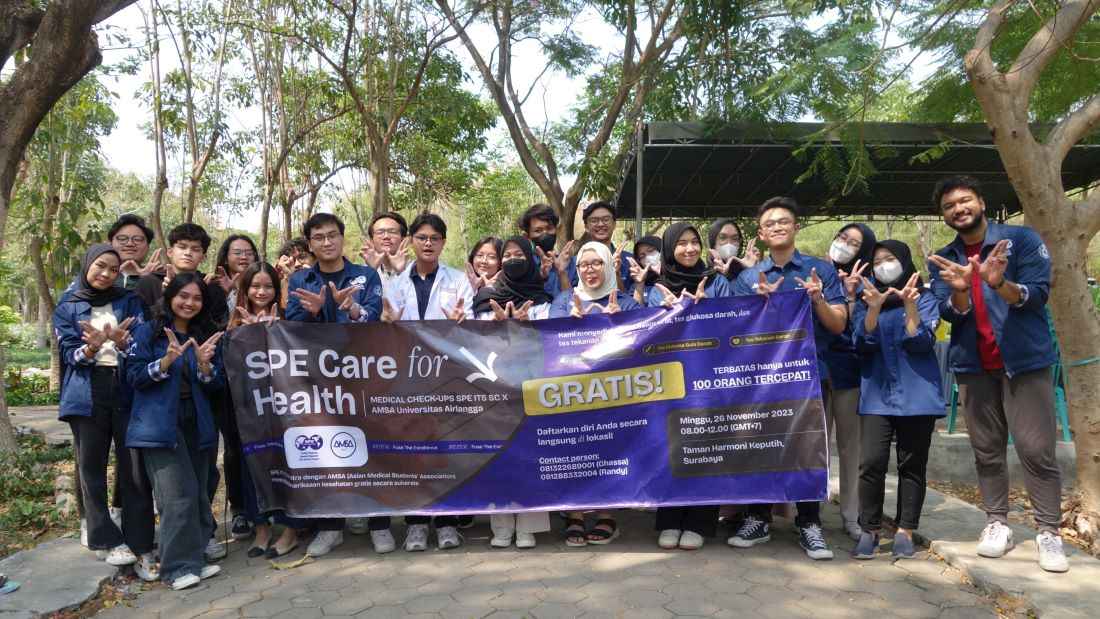
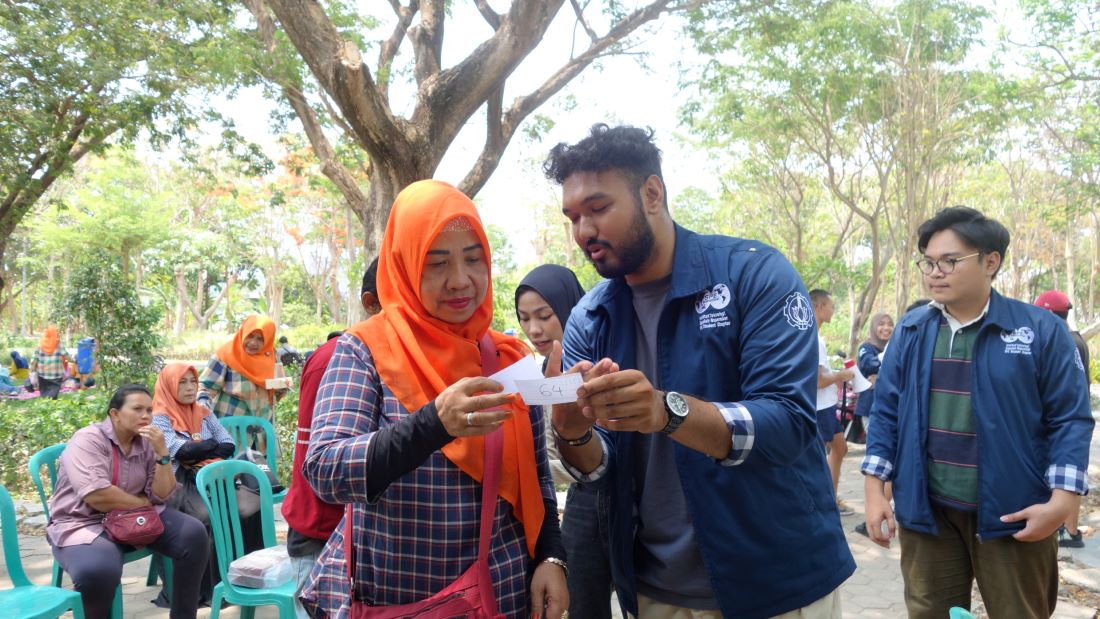
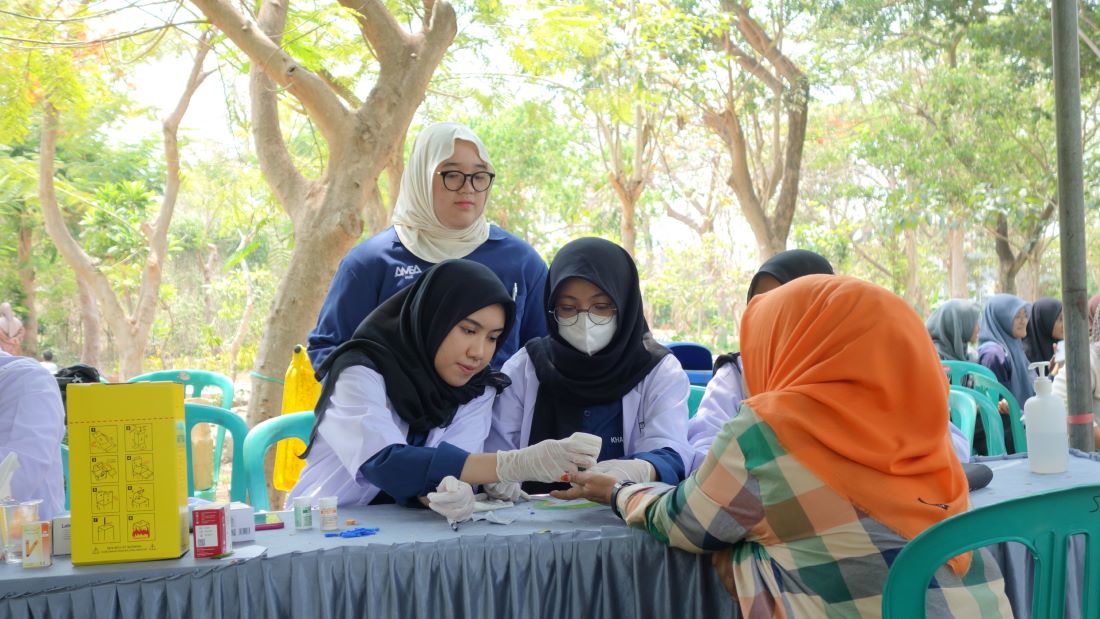
With the aim of raising awareness about the significance of health, the Community Outreach Division SPE ITS SC has taken the initiative to organize a medical check-up event called "HEAL” (Healthy Empowerment and Active Living). The event was successfully conducted in collaboration with the Asian Medical Students' Association (AMSA) Universitas Airlangga. Last year, SPE ITS SC also collaborated with AMSA Universitas Airlangga for the same event. SPE ITS SC decided to collaborate with AMSA Universitas Airlangga again as it allowed the committee to proactively monitor and evaluate individuals' health, detect potential issues early, and promote preventive care. Took place on 26th November 2023 at Taman Harmoni Keputih Surabaya, from morning to afternoon, this initiative stems from a recognition of the limited knowledge and awareness surrounding personal health in these communities. “SPE is committed to the welfare of the community, hence we are inspired to conduct health checkup activities for underprivileged communities due to lack of knowledge and awareness of the importance of personal health.” said Ghassa as the Project Officer of the event. In order for the event to be successful, the committee promoted the activities by contacting the head of the local neighborhood association such as RT and RW. “In addition, I distributed brochures to local residents. We maximize promotion by distributing brochures and inviting people around the park on the day of the event. In addition, we also maximized promotion by using SPE's Instagram.” added Ghassa.From the event, the committee successfully checked various health tests, including uric acid, glucose blood sugar, and blood pressure. And although the event ran smoothly, the committee encountered a challenge during data collection due to the overwhelming number of participants. Unfortunately, many residents had to leave empty-handed as the health check tools had run out.In the end, the event turned out to be a significant success, leaving a positive impact in the community. “Residents around Harmony feel very helped by the free health test activities.” Ghassa said. This free medical check-ups event at Taman Harmony has proven to be immensely beneficial for local residents. A considerable number of individuals had never undergone health checkups previously, primarily due to financial constraints and limited awareness about healthcare. Encouraged by the positive impact, residents in the Harmony Park area have expressed a desire to establish free health testing as an annual community event. This growing sentiment underscores the community's recognition of the importance of proactive healthcare and its eagerness to prioritize the well-being of its residents.Written By: Arya Nugraha Aulia Rahman Yusup
Bye-Bye B2B Tenders! Looking Deeply Inside Perpres 107/2026 That Turns Lab Agency Lemigas into Indonesia’s Chief Oil Buyer
Announced by Minister of Energy and Mineral Resources (ESDM) and Coordinating Minister for Downstream and Energy Transition Bahlil Lahadalia in Jakarta on Monday, October 26, the regulation replaces Pertamina’s long-standing Business-to-Business (B2B) competitive bidding process with Government-to-Government (G2G) and Government-to-Business (G2B) frameworks. Under the new architecture, the central government strikes bilateral supply agreements with producer nations, BLU Lemigas executes the import procurement, and Pertamina purchases the commodities domestically from Lemigas.th"All this time, Pertamina conducted B2B processes where tenders took a very long time, and even after winning a tender at a cheap price and reaching a deal, when another country offered to buy at a higher price, the supplier gave the cargo to the higher bidder," Bahlil said during a press conference at the Ministry of ESDM in Jakarta on Monday.1. End of Routine Direct B2B Tenders:2. Pertamina’s Redefined Role as Offtaker:3. Conditional Direct Import Exception:4. No-Tender and Price Differential Clauses: "We are committed to executing the government's mandate professionally and responsibly so that energy supplies for the public and industry remain secure," Simon said in an official written statement on Tuesday, October 27.From an international energy market perspective, Perpres No. 107/2026 presents a sharp trade-off between sovereign supply security and institutional governance. On the upside, state-backed G2G contracts give Indonesia stronger diplomatic leverage to secure long-term volumes and discounted barrels such as Russian crude oil, which Director General of Oil and Gas Laode Sulaeman confirmed is a focus of the revised regulation while shielding domestic supply from spot-market bidding wars. Perpres No. 107/2026 genuinely fortify Indonesia’s energy sovereignty, or will it create a new bureaucratic bottleneck in the country's fuel supply chain?