Why are Oil Prices Important for The Global Economy?
Sep 28, 2024

Written by : Fairuz Nabila Daniputri
References :
Similar Article
RDMP Balikpapan Expected to Boost Domestic Diesel Supply as Indonesia Sets 2026 Zero-Import Goal
Indonesia is set to eliminate diesel imports in 2026, supported by the upcoming operation of the Refinery Development Master Plan (RDMP) Balikpapan, operated by PT Pertamina (Persero). Based on the latest update, the project is now scheduled to be inaugurated by President Prabowo Subianto on 17 December 2025, marking the entry of Indonesia’s largest refinery upgrade into commercial operation. Previously, Minister of Energy and Mineral Resources, Bahlil Lahadalia had stated that the RDMP Balikpapan inauguration was planned for 10 November 2025 following a limited cabinet meeting with President Prabowo on 3 November 2025. At the time, he emphasized that the refinery upgrade would enable Indonesia to meet domestic diesel demand entirely through national production. “Insya Allah, starting 2026 we will no longer import diesel,” Bahlil said. “Because our RDMP refinery in Balikpapan will be inaugurated.” Despite the rescheduled inauguration, the government maintains that RDMP Balikpapan will play a decisive role in strengthening fuel self-sufficiency. The facility is expected to significantly increase Indonesia’s refining capacity and support the national objective of achieving zero diesel imports while also boosting aviation fuel (avtur) supply for both domestic and export markets. The RDMP Balikpapan project is designed to modernize one of Indonesia’s strategic refineries by increasing production capacity, improving fuel quality, and enhancing operational efficiency. The refinery upgrade forms part of Pertamina's long-term downstream investment roadmap to reduce reliance on petroleum imports, strengthen supply resilience, and improve state fiscal performance by reducing the foreign exchange burden from imported fuels. In support of the refinery expansion, the government is also pushing for the implementation of B50 biodiesel, which blends 50% palm oil-based fuel. According to Bahlil, the synergy between RDMP Balikpapan and B50 could shift the domestic diesel balance from deficit to surplus. “If both RDMP and B50 run well, we will have excess diesel and we can export it,” he asserted. The ministry is currently calculating the production forecast and export potential once both programs are fully executed. To date, Indonesia has relied on imported diesel to bridge the gap between domestic refinery capacity and fuel consumption. The cessation of diesel imports is expected to reduce logistics vulnerability during global price fluctuations, strengthen energy independence, and improve the trade balance. Policymakers have highlighted that diesel remains a critical fuel for transportation, mining, agriculture, and industrial sectors, meaning its secure supply is closely tied to national economic performance. The RDMP Balikpapan project has been categorized as a strategic national program due to its magnitude and expected economic impact. The government anticipates that its operation will contribute to regional economic activity, promote industrial employment, and accelerate technology transfer in refinery modernization. Stakeholders, including local governments, logistics operators, and energy-intensive industries are monitoring the commissioning timeline as it will determine fuel distribution adjustments across Kalimantan and other regions. Further information regarding refinery output, the detailed implementation roadmap for B50, and mechanisms for potential diesel exports is expected to be released after the inauguration in November. For now, the government maintains the target of achieving diesel self-sufficiency in 2026, marking what could become a significant milestone in Indonesia’s long-term energy security agenda.Writer: Azzahra Luna Prasetyo
Indonesia to Begin Construction of Dumai-Sei Mangkei Gas Pipeline Network in 2025
The Dumai-Sei Mangkei gas pipeline project is a major infrastructure initiative in Indonesia, spanning approximately 428 then extended to 555 kilometers from Dumai in Riau to the Sei Mangkei Special Economic Zone (SEZ) in North Sumatra. Designed to bolster the industrial sector in Sumatra, the pipeline is expected to have a substantial transport capacity to meet growing energy demands, delivering up to 400 million standard cubic feet of gas per day (MMSCFD). The project is estimated to cost around Rp 7.8 trillion (approximately USD 500 million) and involves collaboration between state-owned enterprises and private sector stakeholders under the guidance of Indonesia’s Ministry of Energy and Mineral Resources (ESDM). The Dumai-Sei Mangkei gas pipeline is a strategically important project for Indonesia, which is essential for moving natural gas safely and efficiently from upstream production sites to downstream users, including industrial hubs and distribution networks. By providing a steady and reliable source of natural gas to the region, the pipeline supports industries across Sumatra, particularly in the Sei Mangkei Special Economic Zone (SEZ), a key industrial hub aimed at accelerating economic growth and job creation. Minister of Energy and Mineral Resources (ESDM) Arifin Tasrif said the completion of the Dumai - Sei Mangke gas pipeline project is part of efforts to anticipate excess natural gas, where there is a large gas potential in the Andaman Sea. Thus, it will be utilized for industries that need natural gas. Andaman Sea itself, known to have the promising hydrocarbon reservoirs waiting to be deciphered by experts around the world. The distribution takes the form of pockmarks, diapir, gas chimneys, and mud volcanoes governed by factors such as the presence of gas pockets, hydrocarbon reserves, fluid seepages, fumarolic activity, and gas hydrate occurrences within the sedimentary layers.The Dumai-Sei Mangkei gas pipeline is poised to deliver substantial economic and industrial benefits, creating numerous job opportunities during both its construction and operational phases. This influx of employment is expected to drive economic growth in the region, supporting local businesses and stimulating surrounding economies. Additionally, the Dumai-Sei Mangkei project could contribute to reducing the LPG 3 kg subsidy by an estimated Rp 420 billion per year, achieving a cost saving of Rp 107 billion annually, and generating foreign exchange savings of up to Rp 720 billion per year. The pipeline is also expected to yield substantial revenue for the government, with potential annual state revenue of Rp 1.89 trillion and Rp 12 billion from regulatory fees to BPH Migas. The Dumai-Sei Mangkei gas pipeline project represents a crucial investment in Indonesia’s energy and economic future. Set to begin construction in 2025 and targeted for completion by 2027. With substantial support from the Ministry of Energy and Mineral Resources, the Dumai-Sei Mangkei pipeline stands to enhance local economies, stabilize gas prices, and contribute an estimated Rp 1.89 trillion in annual state revenue, marking a transformative step forward for Indonesia’s energy infrastructure and industrial development.
SPEctra (SPE Career on Track): Developing Essential Skills for Future Leaders
On Saturday, March 2nd, 2024, the Soft Skills Division of the SPE ITS SC held SPEctra (SPE Career on Track). This intensive bootcamp is designed to meet the increasing demand for equipping future leaders with essential skills necessary for the modern professional world. SPEctra consists of comprehensive training targeting key aspects of leadership and professional proficiency.SPEctra emerged as a dynamic response to the need for leadership development in today's complex work environments. The program was established to empower participants by honing their abilities in team motivation, conflict management, and strategic decision-making. Grounded in the belief that exceptional leadership is a cultivated skill rather than an innate trait, SPEctra aims to prepare individuals to navigate challenges, foster collaboration, and make informed decisions.Mr. Windo Julioardi, Manufacturing Manager at Danone Aqua, delivered a keynote presentation on "Developing Soft Skills for Decent Work." His insights underscored the importance of soft skills in achieving professional success and contributing to sustainable development.Participants in SPEctra engaged with a case study centered around the theme "Innovating and Impacting Through UN SDGs." This theme encouraged participants to devise solutions that aligned with the United Nations Sustainable Development Goals (SDGs) which promotes innovation and impactful outcomes. Throughout the bootcamp, participants worked on progressing their case solutions, guided by structured sessions and mentors. Participants partook in an mentoring session, where they developed decision-making solutions through creative activities such as cardboard prototyping. This hands-on approach facilitated a deeper understanding of the case study and fostered innovative thinking. The mentoring session resulted in discussions and preparations for the presentation phase. After submitting their case solutions, participants presented their work. The top three submissions were selected for final presentations that were held offline. The presentation session also featured expert speakers, Lala Cig, who addressed "Strategies for Effective Problem Solving" and "Aligning Professional Growth with UN SDGs." This session provided participants with practical strategies and insights for tackling complex problems and aligning their career growth with global sustainability goals.The event concluded with a closing ceremony and an awarding session to appreciate the outstanding efforts of the participants.Written by: Arya Nugraha Aulia Rahman Yusup
Caught Between a Weak Rupiah and US$100 Crude: How Long Can Indonesia’s Energy Budget Hold?
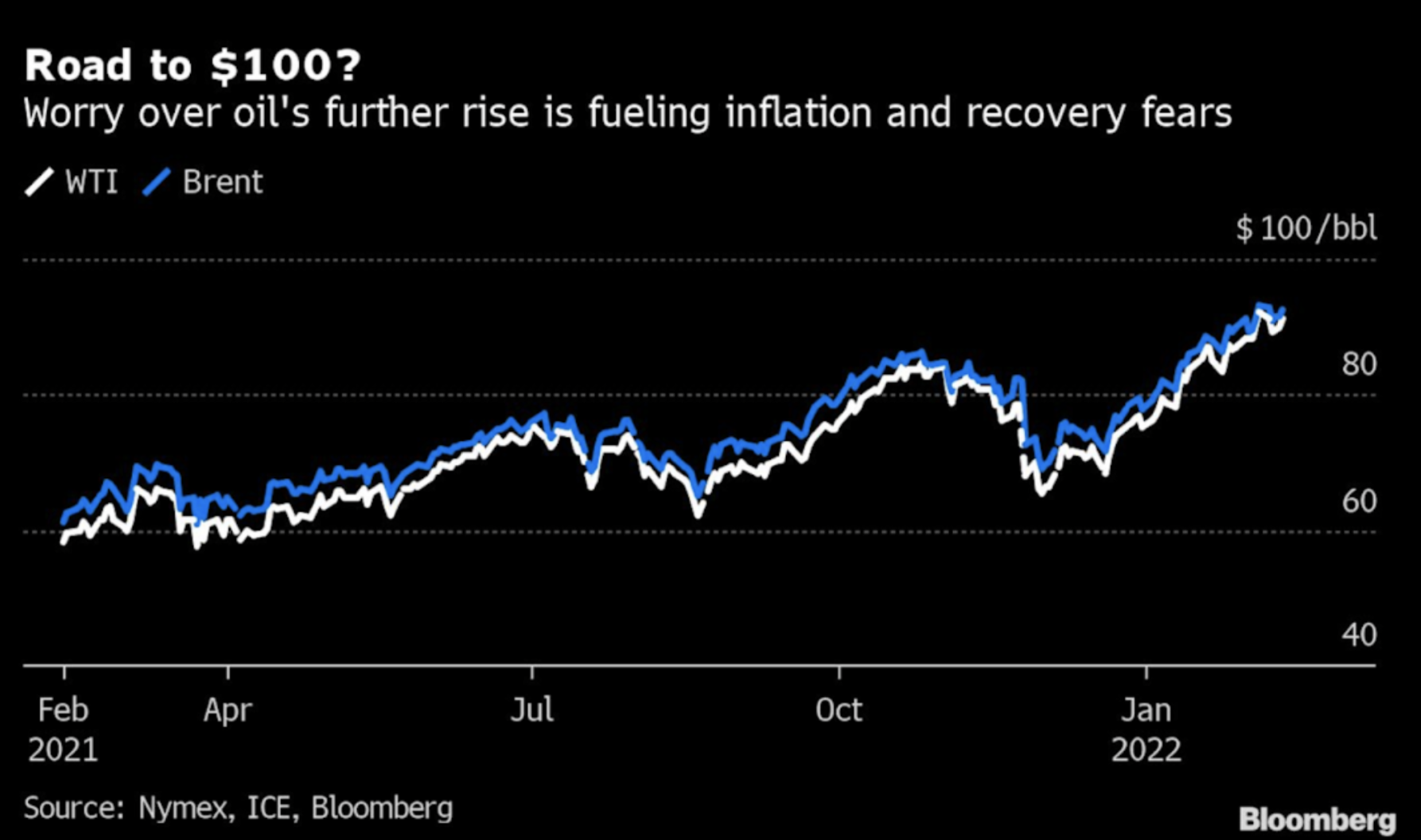
Why did Indonesia’s monthly energy import bill jump by nearly half when its physical import volume grew by just 15%? Statistics Indonesia (BPS) reported that the country’s oil and natural gas imports reached US$3.77 billion in July 2026, marking a steep 49.91% year-on-year surge compared to the US$2.51 billion recorded in July 2025. The US$1.25 billion year-on-year increase in July’s oil and gas bill contributed significantly to Indonesia’s overall monthly imports, which climbed 27.02% annually to US$26.09 billion, while non-oil and gas imports rose 23.83% to US$22.33 billion. Market analysts and government data point to a combination of elevated global crude prices, a persistently weak Indonesian Rupiah, and a domestic upstream production deficit as the core drivers behind the swelling import bill. Speaking at a press conference in Jakarta, BPS Deputy for Distribution and Service Statistics Ateng Hartono highlighted a sharp divergence between the value and the volume of the country's energy purchases. While the monetary value of oil and gas imports soared by nearly 50%, the physical import volume rose by only 15.44% in July 2026. "The price increase certainly contributed to the rise in oil and gas imports; just compare the values, which are much higher compared to the volumes. Hence, automatically there is a price increase that contributes to the surge," Ateng explained, confirming that global market pricing rather than a sudden spike in domestic consumption was the primary trigger. According to BPS data, the annual jump in July’s energy purchases was fueled by a 51.68% spike in crude oil imports which rose by US$406.3 million alongside a 49.11% increase or US$48.3 million in oil-derived products. Cumulatively, throughout the January - July 2026 period, Indonesia’s oil and gas imports expanded by US$7.39 billion, or 40.24% year-on-year. This seven-month surge was driven by oil-derived product imports totaling US$5.319 billion (up 39.6%) and crude oil imports reaching US$2.075 billion (up 41.81%). Beyond international crude benchmarks which have hovered between US$94 and over US$100 per barrel amid ongoing Middle East geopolitical tensions, Indonesia’s energy bill has been compounded by currency depreciation. With the Rupiah trading under pressure between Rp17,750 and Rp17,926 per US dollar in recent months, state energy company PT Pertamina (Persero) and private importers must spend significantly more in local currency to procure US dollar-denominated oil cargoes. Economists warn that this macroeconomic "triple shock" of high global crude prices, a weak Rupiah, and rising logistics costs is feeding directly into imported inflation. Because energy accounts for roughly 15% of input costs across Indonesia’s manufacturing sector, downstream industries particularly petrochemicals, plastics, and packaging that rely on crude derivatives like naphtha are facing narrower profit margins and rising production expenses. At the same time, heavy corporate demand for US dollars to finance oil and gas imports places recurring pressure on Bank Indonesia’s foreign exchange reserves. At the root of Indonesia’s vulnerability to global oil price swings is a long-standing structural gap between domestic upstream output and national fuel consumption. Since becoming a net oil importer in 2003, Indonesia has struggled to reverse the natural decline of its aging oil fields, while domestic fuel demand has grown to approximately 1.6 million barrels per day (bpd). Data from the Ministry of Energy and Mineral Resources (ESDM) showed that as of September 8, 2026, national crude oil lifting stood at 571,731 bpd, remaining below the 2026 State Budget (APBN) target of 610,000 bpd. To ease the financial strain of expensive crude imports while keeping domestic refineries running at optimal capacity, the government has moved to diversify its import sources, including preparing a second phase of crude oil imports from Russia. Energy and Mineral Resources Minister Bahlil Lahadalia confirmed that the procurement is being executed through a Government-to-Government (G2G) and Government-to-Business (G2B) framework involving the Testing Center for Oil and Gas (Lemigas) and Pertamina under Presidential Regulation No. 26/2026 and Ministerial Decree No. 224.K/MG.03/MEM.M/2026, following an initial shipment of 770,000 barrels processed at the Balikpapan Refinery in late June. "We are looking for priority scales that can secure our crude oil supplies first, as long as they do not violate regulations and are economically viable," Minister Bahlil said in Jakarta, emphasizing that alternative crude sourcing is aimed at safeguarding national energy resilience. While discounted crude cargoes and state fiscal buffers have so far shielded Indonesian citizens from immediate subsidized fuel price hikes, energy analysts caution that tactical import deals are only a temporary relief. Without accelerated upstream investment, widespread deployment of Enhanced Oil Recovery (EOR) technology, and regulatory certainty through the long-awaited Oil and Gas Bill, Indonesia’s trade balance will remain exposed to every global price rally. As global energy volatility persists, can Indonesia reform its upstream oil sector fast enough before the next import bill shock hits?